
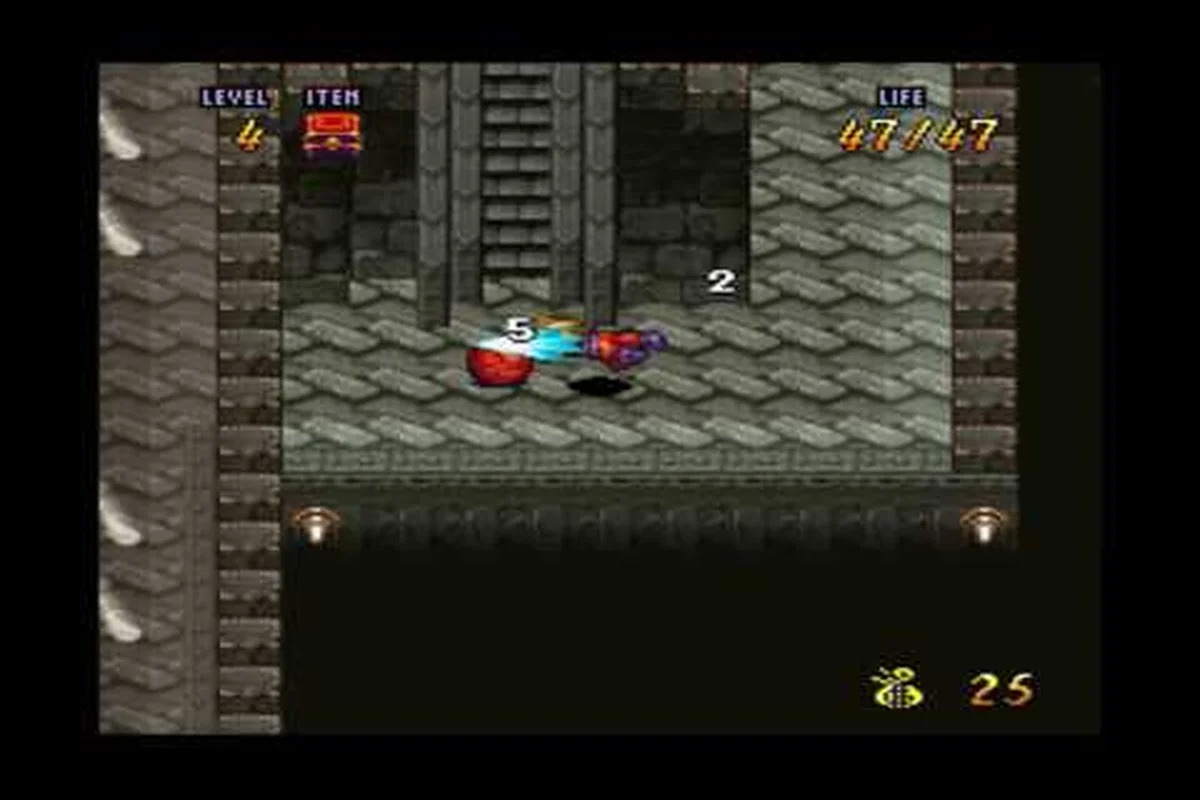
Ark's journey from Crysta to the surface world introduces a steady trickle of Magirock, but knowing exactly which chests, shops, and hidden caches to prioritize changes how smoothly the entire playthrough runs. Magic is not a mandatory system for beating the game, yet a handful of spells solve problems that physical spears simply cannot. This guide maps every major Terranigma Magirock location, breaks down farming routes, and compares spell output against weapon damage so you can spend each crystal without regret.
Understanding Magirock and Spell Acquisition
Magirock functions as Terranigma's spell currency and inventory gate in a single system. You do not learn magic from leveling up or story events in the traditional sense, because the game expects you to purchase spell rings from specific vendors and then feed them Magirock to unlock casts. The distinction matters for routing: an early-game player who hoards Magirock for a late-game ring often delays the one purchase that would solve an immediate boss wall.
The acquisition loop breaks into three recurring sources. Chests scattered across dungeons and towns provide fixed, one-time Magirock deposits that are easy to miss if you rush through rooms. Shops sell spell rings directly for Gems, and several towns restock consumable Magirock at prices that shift as the world revives. Enemy drops and repeatable farming spots fill the gap, though the community has long debated whether the drop rates justify the time investment compared with simply buying crystals.
| Magirock Source Type | Reliability | Typical Yield | Best Use Timing |
|---|---|---|---|
| Fixed dungeon chests | Guaranteed | 1–3 Magirock per chest | Immediate ring unlocks |
| Town shops | Guaranteed | Varies by town and stock | Mid-game gap filling |
| Repeatable enemy drops | Low to moderate | 1 Magirock per rare drop | Late-game farming only |
| Story progression rewards | Guaranteed | Occasional lump sums | Planned ring purchases |
The first real inflection point arrives when you understand that spell rings themselves are separate from Magirock reserves. A ring purchased but not fed remains inert, which means your decision is not just "which spell do I buy" but also "which ring do I feed first." Because Magirock does not regenerate on its own, every crystal spent on a low-impact spell is a crystal denied to a FightRing or HealRing later in the run.
How Magirock Differs from Gem Currency
Gems buy equipment, items, and rings, while Magirock exclusively powers spell availability. The game never converts Gems into Magirock directly, so you cannot grind the economy to shortcut spell progression. Players who treat Magirock as a second wallet make better choices, because a full Gem pouch means nothing when a boss requires a specific IceRing cast that you never unlocked.
Understanding this split also clarifies why some towns feel generous while others feel barren. The game distributes Magirock as a pacing tool, not as a reward for exploration alone. Areas tied to story milestones tend to drop larger caches, while optional side paths sprinkle single crystals as small incentives to revisit cleared zones.
Every Major Terranigma Magirock Location by Chapter
Mapping Magirock locations by chapter keeps the search manageable, since the world changes dramatically as Ark revives continents and towns. The early locations cluster around Crysta and the first surface settlements, while later caches hide in dungeons that require specific ring effects to reach. The following breakdown covers the highest-yield spots that most players actually need, because the full chest list would span dozens of individual screens with diminishing returns.
Early-Game Caches Before the Surface World
Crysta and the surrounding Darkside areas contain a small but meaningful cluster of Magirock. Check the Elder's residence, the guard barracks, and the cave path leading toward the forbidden door. Each location typically holds one Magirock, and while the total seems minor, it is enough to unlock your first purchased ring before the first surface boss.
The surface world opens with several chest-heavy zones around Yunkou and the revived continent. The game front-loads enough Magirock here to make your first spell choice feel consequential rather than cosmetic. Prioritize chests near tower entrances, because the resurrection events often place crystals directly on the path between puzzle rooms and boss arenas.
Mid-Game Towns and Dungeon Chests
Once towns like Lohen and Litz become accessible, shop inventories expand alongside chest placement. These mid-game hubs sell rings at steeper Gem prices but also offer direct Magirock stock in several cases. The key is to route through towns after each major story beat, because newly revived NPCs sometimes unlock rooms or stalls that were previously closed.
Dungeons during this stretch are the most efficient Magirock source if you explore thoroughly. The Cape areas, forest mazes, and tower interiors tend to hide crystals in dead-end branches rather than along the critical path. A player who hugs the main route can finish a dungeon with two Magirock, while a thorough explorer leaves with five or six, and that difference compounds across the entire run.
| Chapter Region | Notable Magirock Locations | Approximate Total | Missable? |
|---|---|---|---|
| Crysta and Darkside | Elder's residence, guard barracks, forbidden door path | 4–6 | Yes, early game |
| Yunkou and surface revival | Tower approach chests, town outskirts | 8–12 | Partial |
| Lohen and Litz hubs | Shops, hidden house rooms, portside caches | 10–15 | Some stock rotates |
| Late-game towers and labs | Boss approach rooms, optional puzzle wings | 15–20 | Mostly fixed |
Late-game areas reward the same pattern: the path to a boss almost always has one obvious chest, but the side rooms hold the real haul. The scientific facility and the final tower sequences are dense with crystals, which suits the game's pacing because those final rings are the most expensive to feed.
Magirock Farming Routes That Actually Work
Farming Magirock is viable, but only if you pick the right enemies and avoid wasting time on low-percentage drops. Community testing has long favored repeatable enemy packs near late-game save points, where quick room transitions reset spawns without forcing long walks back to a town or dungeon entrance. The goal is not to max every ring, because most players only need two or three spells at full capacity to finish the game comfortably.
The most efficient loop reported by players targets enemies that drop Magirock as a rare table entry rather than a guaranteed story reward. These enemies cluster in areas with high spawn density and short screens, which lets you cycle encounters rapidly. While exact drop rates vary by version and have not been datamined to a reliable standard, the community consensus is that a focused ten-minute loop can produce one to three crystals depending on luck and route efficiency.
Step-by-Step Farming Loop
-
Enter a late-game area with a save point and multiple enemy packs in adjacent rooms.
-
Clear every pack in the first screen, then check for Magirock drops before moving on.
-
Transition one screen away and immediately return to reset the spawns.
-
Repeat the cycle until your inventory reaches the target crystal count for the ring you want to unlock.
-
Return to a shop or save point to bank progress before spending any Magirock.
Farming vs. Buying: Which Is Faster?
Buying Magirock outright is faster when shops stock it, because the opportunity cost of farming is measured in minutes per crystal. A late-game shop that sells Magirock for a fixed Gem price removes all randomness, and if your Gem income from regular combat is already healthy, you will outpace any drop-based loop. Farming only wins when a shop is empty or when you are deliberately avoiding Gems to save for equipment.
| Method | Crystals per 10 Minutes | Risk | Recommended For |
|---|---|---|---|
| Shop purchase | 2–4 depending on Gem stock | None | Mid-game gap filling |
| Enemy drop loop | 1–3 depending on luck | Low, time cost only | Late-game ring completion |
| Fixed chest sweep | 5–8 one-time only | Missable content | First-time exploration |
| Story progression | Variable, no repeat | None | Natural playthroughs |
The real lesson is that farming supplements exploration rather than replacing it. If you swept every chest and still need two crystals for a LightRing unlock, a short loop makes sense. If you skipped a dungeon wing and then try to farm the missing Magirock, you are paying time to cover a gap that exploration would have closed for free.
Terranigma Magic vs Weapons: Is Magic Worth It?
The debate over Terranigma magic vs weapons comes down to opportunity cost and damage types, because the game never forces you to choose one exclusively. Physical spears remain your bread-and-butter for trash encounters, while spells shine in specific boss phases and against enemy groupings that are awkward to hit with a forward thrust. Magic is worth it, but only when you invest in the right rings rather than spreading Magirock across the full spell list.
Physical damage scales with your equipped weapon and attack stat, which grows steadily through normal play. Magic damage scales with the ring tier and your Casting Distance, a hidden factor that influences how many hits connect at range. Because melee requires positioning and exposes Ark to counterattacks, spells offer a safer damage channel in fights where closing distance is dangerous. The tradeoff is resource-based: every spell cast consumes Magirock-fueled ring charges, while spears swing freely as long as you survive.
When Spells Outperform Spears
Spells outperform spears in three specific scenarios. The first is AoE damage against clustered enemies, where a single ring cast hits every target that a spear would need multiple thrusts to clear. The second is elemental exploitation, since certain bosses and enemy types take amplified damage from fire, ice, or light effects that physical attacks cannot replicate. The third is safe damage, where you can cast from outside an enemy's melee range and avoid the chip damage that accumulates during extended close-quarters fights.
When Weapons Remain the Better Choice
Weapons win for sustained single-target damage against ordinary enemies, because there is no resource gate on basic attacks. A fully upgraded spear also benefits from jump attack modifiers and positioning bonuses that spells do not receive. In trash-heavy dungeons where enemies die in one or two hits, using a ring charge is wasteful compared with simply walking forward and thrusting.
| Scenario | Better Option | Why |
|---|---|---|
| Single trash enemy | Weapon | No resource cost |
| Clustered enemy pack | Spell | AoE clears in one cast |
| Boss with elemental weakness | Spell | Exploit damage multiplier |
| Boss with no weakness | Weapon | Sustained DPS without charge loss |
| Low HP, need safe damage | Spell | Range avoids counterattacks |
| Full HP, aggressive opening | Weapon | Higher burst without setup |
The verdict is not "magic is weak" but rather "magic is conditional." Players who evaluate each ring by its specific use case get far more value than players who try to cast their way through every encounter. Terranigma rewards a hybrid approach where spells cover the gaps that weapons cannot reach, and that makes the Magirock investment worthwhile if you choose the right targets.
Best Spells and the Full Spell List Breakdown
The spell list is not enormous by action RPG standards, which is a blessing because each ring has a clear identity and a clear niche. The best spells for a typical playthrough are the ones that solve recurring problems: healing, ranged damage, and elemental burst against bosses. Rings outside those categories are situational at best and often waste Magirock that could have gone toward a second charge of a workhorse spell. Because so much of your Magirock budget hinges on avoiding those situational traps, a focused Terranigma Magic Guide can help you identify exactly which workhorse spells deserve that second charge before you commit to any ring purchase.
Top-Tier Spells for a Standard Run
HealRing stands out as the single most valuable spell for survival, because it converts Magirock into health restoration without requiring consumable items. FightRing provides a reliable mid-range attack that chunks enemy packs before they close distance. IceRing and FireRing both offer elemental coverage, and while their base damage is comparable, the elemental weakness matchups against specific bosses make one or the other more valuable depending on your route.
LightRing arrives late and serves as a high-damage option against dark-aligned enemies and the final stretch of encounters. Its Magirock cost is steep, so most players unlock it once and then pour remaining crystals into charge capacity rather than branching into less useful rings. The tier list below reflects general community sentiment, but your mileage will vary based on playstyle and how thoroughly you explore.
| Spell Ring | Primary Effect | Best Matchup | Magirock Priority |
|---|---|---|---|
| HealRing | Health restoration | Every boss and dungeon | High |
| FightRing | Mid-range damage | Pack clearing | High |
| IceRing | Ice damage, freeze utility | Fire-weak enemies | Medium |
| FireRing | Fire damage, burn utility | Ice-weak enemies | Medium |
| LightRing | High light damage | Dark enemies, final areas | Medium to high |
| Utility rings | Status and movement effects | Specific puzzles | Low |
How to Build a Magirock Spending Plan
Start by unlocking HealRing and feeding it enough Magirock for two or three charges, because early bosses punish aggressive play with chip damage that healing items cannot always cover. Next, unlock FightRing as your ranged damage fallback for the mid-game, then evaluate whether your current chapter has more fire-weak or ice-weak enemies. Spend remaining crystals on the matching elemental ring rather than splitting between both, because a ring with two charges is always better than two rings with one charge each.
The spending plan shifts in the late game when LightRing becomes available. At that point, your physical spear is strong enough to handle most trash, so you can redirect Magirock into charge capacity for LightRing and HealRing exclusively. Resist the urge to unlock every ring for collection purposes, because the game does not reward a complete spell list with any bonus beyond personal satisfaction.
Frequently Asked Questions
How many Magirock locations are there in total?
The exact count varies by how you count multi-crystal caches, but a thorough playthrough that checks every chest and shop will find well over 60 individual Magirock. Some are hidden in rooms that require specific ring effects to access, so a first-time player will naturally miss a handful without a guide.
Can you farm Magirock infinitely?
Yes, but the drop rates are low enough that farming is only efficient in late-game areas with dense enemy packs and a nearby screen transition. Community testing suggests a ten-minute loop can yield one to three crystals, which makes farming viable for topping off a ring but poor as a primary progression method.
Is magic worth investing in for a first playthrough?
Yes, but only for HealRing, FightRing, and one elemental ring. Spreading Magirock across every ring wastes crystals that could have powered multiple charges of your core spells. A hybrid approach where spears handle trash and spells cover bosses is the most comfortable route.
What is the best spell in Terranigma?
HealRing is the consensus best spell because health restoration without items changes how aggressively you can play every boss. FightRing follows closely as a safe ranged damage option, while LightRing provides the highest damage ceiling in the final chapters when fully charged.
Does Magirock carry over between playthroughs?
No, Magirock and ring unlocks reset on a new game. There is no New Game Plus system in Terranigma, so every playthrough requires the same exploration and spending decisions. The only advantage on repeat runs is knowing exactly which chests to prioritize and which rings to skip.