
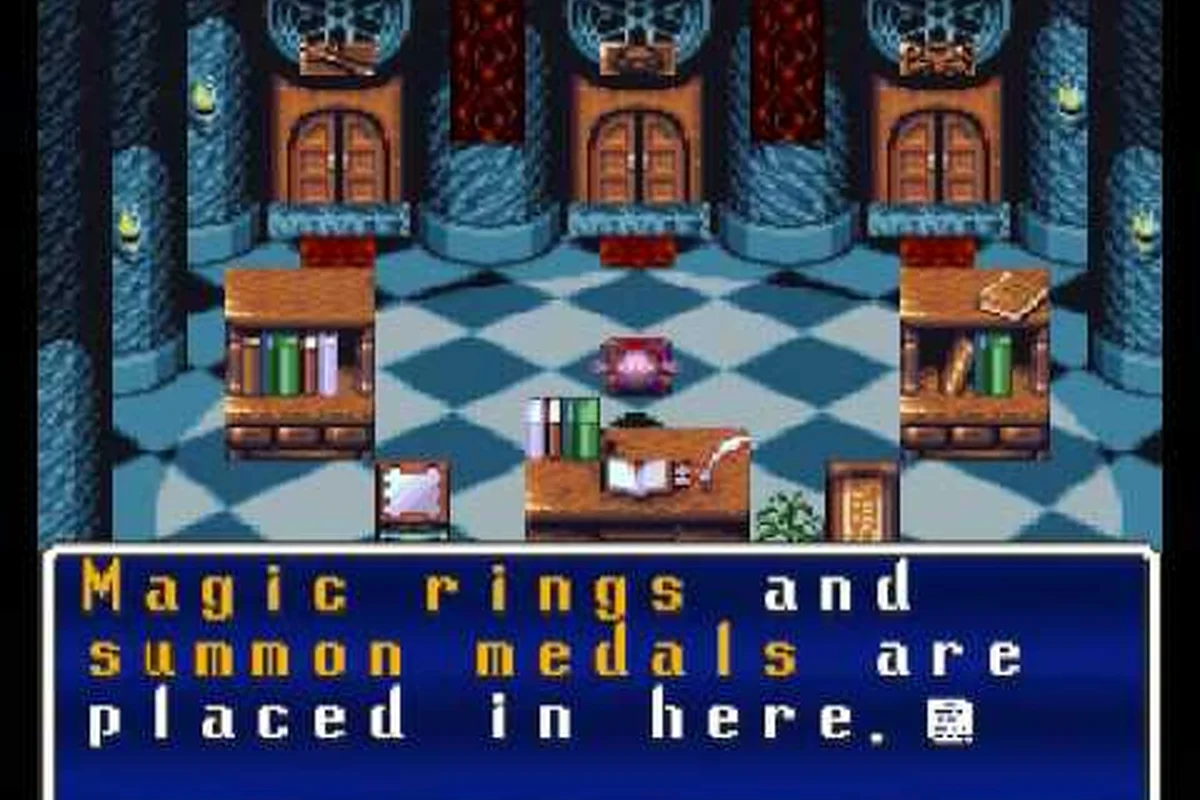
The opening hours of Terranigma define whether you stick with this Quintet classic or bounce off its unusual pacing. Your starting village of Crysta feels safe until a forbidden door changes everything, pushing protagonist Ark into a world that punishes button mashing. This Terranigma beginner guide breaks down the exact survival priorities that community veterans wish they knew before their first playthrough, from spear timing to the hidden rhythm of the resurrection loop.
What Makes the First Hours Different
Terranigma wastes zero time throwing you into narrative weight and mechanical ambiguity. You begin in Crysta, a quiet Darkside village where most NPCs repeat simple dialogue, but the game immediately introduces the forbidden door that launches the central conflict. Within the first hour, you release the demon Yomi and accept the burden of restoring the surface world across five towers. This is not a slow burn opening like other 1995 action RPGs.
The combat system uses a spear as your primary weapon, which feels different from the swords and axes that dominate the genre. You cannot simply stand in place and trade hits. Ark's attacks have a specific thrust range that demands you learn spacing early. According to the official Steam page, the game highlights snappy combat as a core feature, and that snappiness comes from the attack commitment built into every spear swing.
| Early Game Priority | Why It Matters | Common New Player Error |
|---|---|---|
| Learn the thrust range | Prevents whiffing and counter-hits | Standing too close or too far |
| Check the menu tutorial | Explains hidden movement options | Skipping the text entirely |
| Talk to NPCs twice | Reveals lore and free items | Rushing past dialogue |
| Save before each tower | Death resets progress harshly | Relying on autosave (none exists) |
The resurrection structure also shapes your mindset. You are not simply fighting monsters; you are rebuilding continents, reviving plants and animals, and eventually restoring mankind. This loop means exploration rewards you with more than experience points. Because the game never held a North American release originally, many players discover it through the modern re-release or emulation, which means community knowledge is fragmented. Your best early resource is a methodical approach to each screen, checking corners and talking to every NPC before moving on.
Mastering the Spear Combat Loop
The spear is your only real weapon through the opening hours, so understanding its attack cadence transforms the experience from frustrating to fluid. You have a standard thrust, a jump attack, and later a dash attack that opens up new positioning options. The jump attack is particularly useful against flying enemies that appear around the first tower, while the standard thrust handles grounded foes.
Community testing suggests the most common beginner mistake is overcommitting to a third consecutive thrust. The recovery frames on the third hit leave Ark vulnerable to counterattacks from groups. Instead, the reliable pattern is two thrusts, a short reposition, then another two thrusts. This rhythm keeps you close enough to maintain pressure while giving you time to react when an enemy telegraphs a lunge.
Reading Enemy Telegraphs
Every enemy in the opening hours has a visible wind-up before it attacks. The bat creatures in the first tower hover briefly before diving, while slime enemies pulse before a short hop. Because the camera locks at a fixed angle, you can watch the entire screen for these tells without rotating the view.
-
Bats: hover in place for one beat, then dive straight at Ark's position
-
Slimes: compress before hopping forward roughly one body length
-
Skeletal warriors: raise their weapon arm for a full second before swinging
-
Tower guardians: glow at the base before unleashing a room-wide attack
Learning these tells matters because healing items are scarce. The game does not shower you with potions, and the healing spell you gain later has a limited charge. Every avoided hit is a resource saved for the tougher encounters ahead.
Positioning and Terrain Use
Terrain in the early towers is not decorative. Pillars, broken walls, and elevation changes all block enemy movement and projectiles. You can funnel enemies into narrow passages where their numbers mean less, then retreat to open ground when you need space to heal. The dash move unlocks after the first tower and lets you reposition behind enemies, which is critical for backstab damage that community players report deals roughly double standard thrust damage.
| Combat Situation | Recommended Tool | Reason |
|---|---|---|
| Single grounded enemy | Standard thrust combo | Reliable damage without risk |
| Two or more enemies | Kite to a narrow path | Limits surround potential |
| Flying enemy | Jump attack | Reaches elevated hitbox |
| Enemy with long wind-up | Dash behind, backstab | Maximizes damage window |
| Low health, no items | Retreat to previous screen | Enemies do not chase between screens |
This table represents the core decision tree you will run through dozens of times in the first two hours. Because the game does not pause during combat, you need to internalize these choices until they become automatic.
The Resurrection Loop and Tower Order
Restoring the surface world is the heart of Terranigma, and the five towers are your primary progression gates. Each tower follows a similar internal structure: a multi-floor climb, a puzzle or navigation challenge, and a guardian boss. The order is fixed, but how you prepare for each tower changes based on what you have unlocked.
The first tower introduces the basic loop. You revive a continent, then return to the surface to see the change you caused. This feedback loop is the game's biggest motivational hook, and it is worth taking time to appreciate the environmental storytelling. Trees spread, rivers flow, and eventually animals return. Community reports from the 2026 re-release trailers on the Clear River Games YouTube channel emphasize how this loop still resonates with new players discovering the game through modern hardware.
Preparing Before Each Tower
You cannot buy unlimited healing items in the early game, so preparation means conserving what you find. Chests inside towers often contain exactly what you need for the upcoming boss, but only if you explore thoroughly. The game expects you to check side paths and breakable objects.
| Tower Number | Recommended Level | Key Item to Bring | Guardian Weakness |
|---|---|---|---|
| 1 | 3-5 | Healing herb x2 | Jump attack on head |
| 2 | 6-8 | Antidote x1 | Dash behind, backstab |
| 3 | 9-11 | Magic ring x1 | Elemental counter |
| 4 | 12-14 | Full herb x2 | Timed thrust between waves |
| 5 | 15+ | Revival herb x1 | Pattern memorization |
These level ranges come from community playthrough data and may vary by platform or version. The key insight is not hitting exact numbers but understanding the difficulty curve between towers. Each guardian tests a different mechanic you should have practiced in the preceding floors.
Navigation and Exploration Fundamentals
Terranigma is a top-down action RPG with fixed camera angles on most screens. This means you can learn enemy positions and environmental hazards through repetition, but it also means some paths are visually obscured. The game expects you to experiment with walking behind foreground elements, which occasionally hide chests or shortcuts.
The Darkside village of Crysta serves as your initial hub, and the game teaches you to return there after each major story beat. New dialogue options appear as the surface world changes, and some NPCs offer free items if you talk to them after specific events. This is a classic Quintet design choice that rewards thorough players.
Hidden Interactions and Breakable Objects
Breakable objects are not always obvious. Pots, barrels, and even some wall panels can be destroyed for money or healing items. The spear thrust has enough reach to hit objects on the other side of thin walls, which occasionally reveals secret stashes. Community players often report discovering a hidden chest behind the Crysta inn only after multiple playthroughs.
-
Break every pot and barrel in a new area before moving on
-
Walk behind buildings and foreground trees
-
Check the edges of each screen for subtle path indicators
-
Talk to NPCs twice after every major story event
-
Return to Crysta after each tower to check for new dialogue
The money economy in Terranigma is tight early on. You will not have enough gold to buy every piece of armor you encounter, so prioritize defense upgrades over weapon upgrades. The spear upgrades are important, but taking less damage means fewer healing items spent and more gold saved for the later game.
Common Beginner Mistakes and How to Avoid Them
The most damaging mistake new players make is treating Terranigma like a traditional JRPG where grinding solves problems. You cannot out-level the game's mechanics. A player who reaches the second tower at level 10 but never learned the dash backstab will struggle more than a player at level 6 who mastered positioning.
Another frequent error is ignoring the menu tutorials. Terranigma explains its systems through in-game text rather than a separate manual, and the re-release preserves this approach. The magic system in particular is easy to misunderstand because it uses a charge-based resource rather than traditional MP. Each spell has a set number of uses that refill at specific points, not automatically after battle.
The Healing Item Trap
New players often burn through healing herbs in the first tower, then find themselves empty when the guardian appears. The solution is not to hoard everything but to learn which encounters actually threaten you. Regular bats and slimes are predictable and dodgeable. Save your herbs for the guardian and for ambush rooms where enemies spawn in numbers.
Ignoring the World Map
The surface world map is more than a travel screen. It shows you which continents you have restored and which remain dormant. More importantly, it reveals landmarks that indicate hidden areas or optional content. Some of the best early game equipment comes from exploring surface areas that the main path never forces you to visit.
| Mistake | Consequence | Fix |
|---|---|---|
| Button mashing spear combos | Getting hit during recovery frames | Use two-hit rhythm |
| Skipping NPC dialogue | Missing free items and clues | Talk to everyone twice |
| Buying weapons before armor | Taking more damage per hit | Prioritize defense |
| Rushing through towers | Missing key chests and spells | Explore every side path |
| Ignoring the charge system | Wasting magic on weak enemies | Save spells for guardians |
For a deeper breakdown of how long this game actually takes to complete and how the difficulty scales, the Terranigma game length guide covers the full progression curve from first hour to final boss. It pairs well with this early game focus because it shows you exactly how much content sits ahead of the opening hours.
Understanding the Story Stakes Early
Terranigma's narrative is unusual for a 1995 action RPG because it asks philosophical questions about creation and destruction. You play Ark, a boy from the Darkside village of Crysta who opens a door he was told never to touch. The demon Yomi escapes, and the surface world—a hollow Earth's exterior—lies dormant until you restore it.
This setup matters mechanically because the game ties your progression to narrative acts. You are not just leveling up; you are literally reviving the world. Each restored continent unlocks new areas, new enemies, and new story revelations. The scientist Beruga appears later as a major antagonist, but the opening hours keep the focus on Ark's personal responsibility for the chaos he caused.
Understanding this narrative context helps you appreciate why the game does not hand you a clear villain in the first hour. The tension comes from Ark's guilt and the weight of his task, not from a cartoonish evil overlord. This is part of why Terranigma has maintained a dedicated following despite never receiving an original North American release, as documented in the Wikipedia entry on the game's release history.
Frequently Asked Questions
What is the most important tip for Terranigma beginners?
Learn the two-hit spear rhythm before attempting the first tower. The third consecutive thrust has long recovery frames that leave you vulnerable. Two thrusts, reposition, then two more thrusts keeps you safe while maintaining damage output. This single habit prevents most early deaths.
How do I heal in Terranigma?
You use healing herbs and healing spells that run on a charge system rather than traditional MP. Herbs are consumed on use, while spells have limited charges that refill at specific story points. Always keep at least one herb for guardian encounters because death sends you back to your last save.
Is Terranigma hard for new players?
The opening hours are challenging but fair once you understand enemy telegraphs. Most difficulty comes from unfamiliarity with spear combat and limited healing resources. Players who take time to learn positioning and explore thoroughly report the game feels balanced by the second tower.
What should I prioritize when buying equipment?
Prioritize armor upgrades over weapon upgrades in the first few hours. Reducing incoming damage means fewer healing items spent and more gold saved. The starting spear is sufficient through the first tower, while early armor upgrades significantly improve survivability against groups.
Does Terranigma have autosave?
No. Terranigma uses manual saves only. You must save at designated points or from the menu between major sections. The 2027 re-release adds Steam Cloud and Family Sharing, but no autosave. Save before entering each tower and again before every guardian fight to avoid losing progress after death.