
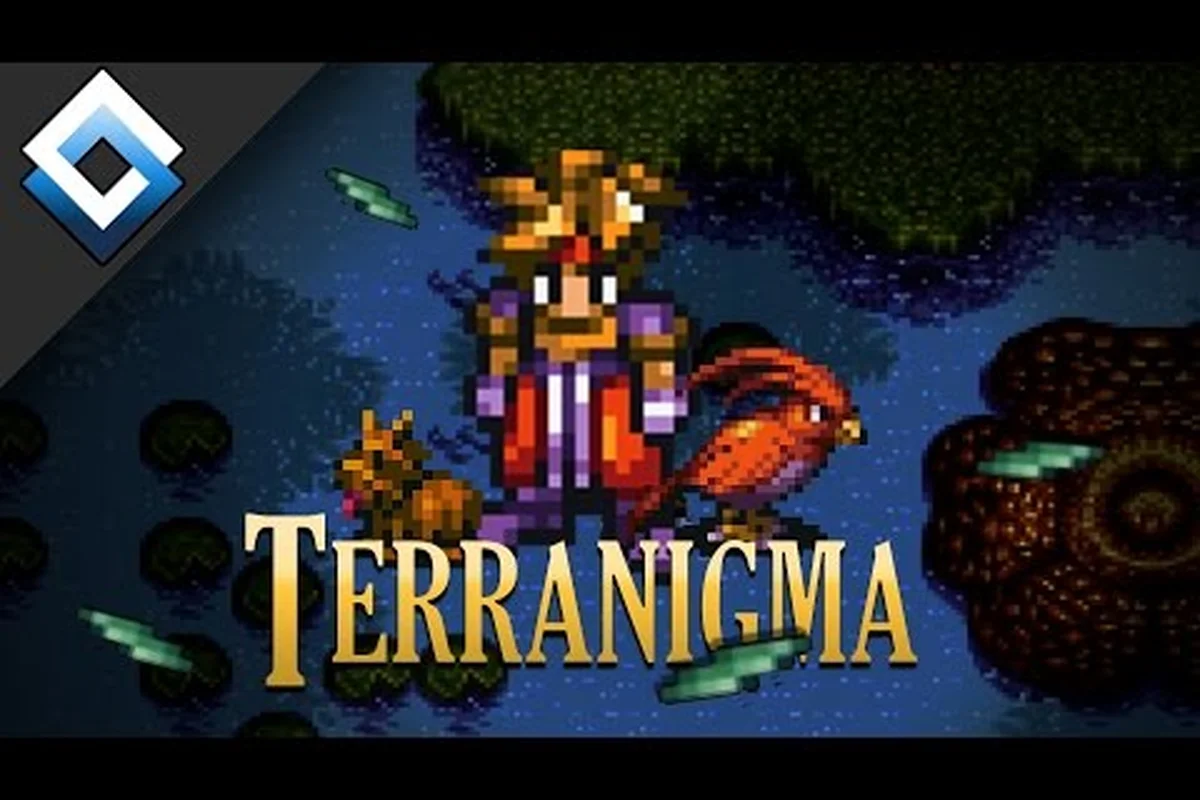
Planning a full playthrough of Terranigma requires knowing exactly how much time you are committing to this 1995 Quintet action RPG. Most players need between 18 and 25 hours to finish the main story, although completionists who chase every optional boss and hidden area can easily push past 30 hours. Understanding the Terranigma how long to beat breakdown helps you budget your sessions before you ever open that forbidden door in Crysta.
Terranigma How Long to Beat: Main Story Baseline
The core campaign in Terranigma moves through five resurrection towers, a trip to the underworld, and a multi-phase final sequence that catches many first-time players off guard. According to community-reported playtime data, a focused main story run lands between 18 and 22 hours when you skip optional dungeons and avoid grinding for rare drops. That estimate assumes you are reading dialogue at normal speed and not backtracking excessively for missed items.
Your personal clear time will shift based on three major variables: combat proficiency, exploration habits, and death frequency. The action-based combat system rewards aggressive positioning and well-timed jump attacks, which means players who master the hit-and-run rhythm early will clear boss encounters in half the time of someone who relies on basic slashes. Additionally, the game hides several mandatory progression items behind environmental puzzles that can stall a blind playthrough for an extra hour or two.
| Playstyle | Estimated Clear Time | Key Factors |
|---|---|---|
| Main story only | 18-22 hours | Skip side content, minimal grinding |
| Main story + some side quests | 23-28 hours | Explore optional towns, fight extra bosses |
| Completionist run | 30-38 hours | All magic rings, all optional areas, max level |
The numbers above come from aggregated player reports rather than official developer statements, because the original 1995 release shipped without an in-game playtime counter. As of the 2026 re-release window, players on the Steam version can track their hours through the platform's built-in tracker, which makes the Terranigma how long to beat question easier to answer accurately. The official Steam page for the upcoming re-release confirms the game retains its classic action RPG structure and single-player focus, so the pacing should feel familiar to returning fans.
Terranigma Game Length Guide: Chapter Breakdown
Terranigma divides its runtime into five distinct surface-world chapters, each anchored by a resurrection tower that restores a continent to life. The first chapter in the underworld village of Crysta serves as a tutorial zone and typically takes 2 to 3 hours for new players. This opening stretch teaches you basic combat, introduces the Magirock currency, and ends with the dramatic moment when Ark opens the sealed door and releases the demon Yomi.
The middle chapters form the bulk of the Terranigma game length guide. Each tower requires you to navigate a multi-floor dungeon, defeat a guardian boss, and then revive the surrounding landmass. Players who tackle the towers in sequence without detouring can expect roughly 3 to 4 hours per chapter, though the third tower often runs longer because it introduces more aggressive enemy patterns and environmental hazards.
Chapter Time Distribution
The following table breaks down where your hours actually go during a standard playthrough. Community testing shows that dungeon crawling and puzzle solving consume more time than boss fights, which surprises players coming from boss-rush-heavy action RPGs. For example, the five towers in the latter half of the game — including the Tower of Time and the Tower of Resurrection — each demand 30–45 minutes of navigation and switch-flipping before you even reach the boss chamber, whereas most bosses themselves fall in under 10 minutes. This is partly because Terranigma gates progression behind environmental puzzles (like the Zue spell puzzles in the Underworld) rather than combat difficulty, and partly because the lack of an in-game map in dungeons like the Great Lakes Cavern forces trial-and-error backtracking that inflates the clock on a first run.
| Chapter / Segment | Typical Duration | Main Activities |
|---|---|---|
| Crysta tutorial | 2-3 hours | Combat basics, village exploration, forbidden door |
| Tower 1-2 (surface revival) | 5-7 hours | Two dungeons, two guardians, continent resurrection |
| Tower 3-4 (mid-game) | 6-8 hours | Longer dungeons, status effect management, tougher enemies |
| Tower 5 + underworld arc | 4-6 hours | Final tower, plot-heavy sequences, Beruga confrontation |
| Final dungeon + ending | 2-3 hours | Multi-phase boss gauntlet, story resolution |
The underworld arc is where many players lose time, not because the combat gets dramatically harder but because the narrative density increases. Cutscenes, dialogue sequences, and the emotional weight of Ark's journey through the Darkside lengthen this segment even though the raw combat content is comparable to earlier chapters. When you factor in the Asmodeus virus plotline and the confrontation with scientist Beruga, the late-game pacing intentionally slows down to deliver story payoff.
Terranigma Difficulty Guide: Combat and Progression
The Terranigma difficulty guide conversation starts with an important clarification: this is not a brutally hard action RPG by 16-bit standards, but it also punishes careless play more than its Quintet sibling Illusion of Gaia. Enemy encounters are real-time and positional, meaning you cannot simply mash the attack button and expect to survive against mid-game mobs. The game demands that you learn enemy tells, manage your HP restoration items, and switch between attack types depending on whether enemies are grounded or airborne.
The difficulty curve follows a gentle upward slope through the first two towers, then spikes noticeably at the third resurrection tower. At that point, enemies begin using status effects like poison and paralysis more frequently, and the guardian bosses start mixing ranged attacks with close-range sweeps. Players who have been coasting on basic slashes will hit a wall here and need to incorporate running attacks and jump attacks into their rotation.
Difficulty Comparison by Game Phase
Understanding when Terranigma gets harder helps you prepare resources and adjust your playstyle before hitting a frustrating wall — especially because death in later chapters sends you back to the last save point with no mid-dungeon checkpoints. The table below outlines the main difficulty transitions based on aggregated player feedback, showing how early-game melee combos against simple foes in the Underworld give way to magic-resistant enemies and multi-phase bosses like Bloody Mary in the resurrected surface world.
| Game Phase | Difficulty Level | Main Challenge | Recommended Preparation |
|---|---|---|---|
| Crysta tutorial | Very Easy | Learning controls | None required |
| Towers 1-2 | Easy | Basic enemy patterns | Stock healing items, upgrade weapon once |
| Towers 3-4 | Moderate | Status effects, aggressive mobs | Learn jump attack timing, carry antidotes |
| Underworld arc | Hard | Dense enemy groups, long dungeons | Upgrade armor, farm Gems for gear |
| Final boss sequence | Very Hard | Multi-phase endurance fights | Max out key equipment, bring full healing stock |
The jump in difficulty during the underworld arc catches players who neglected their equipment. Terranigma does not scale enemy stats to your level, so a player who skipped armor upgrades will take significantly more damage than one who visited the blacksmith regularly. The jump attack guide covers the combat technique that makes the back half of the game substantially more manageable.
Terranigma Beginner Walkthrough Tips: Efficient Progression
The Terranigma beginner walkthrough tips that matter most are about resource management and time efficiency, not obscure secrets. Your first playthrough should prioritize learning the combat loop and keeping your equipment current, because both factors directly influence how long the game takes. A player who struggles through each boss due to outdated gear will add several hours to their total playtime compared to someone who upgrades proactively.
Healing items are finite until you unlock repeatable sources of income, which means every potion you burn in an early dungeon is one you cannot use later. The game's economy runs on Gems dropped by enemies and found in chests, and the price of essential gear rises steeply in the mid-game. Experienced players recommend clearing every room in a dungeon once rather than skipping fights, because the Gem income funds your equipment progression and keeps the difficulty curve flat.
Efficient Playthrough Checklist
The following checklist summarizes the highest-impact actions for keeping your playthrough smooth and your clear time close to the 20-hour baseline. These recommendations come from community walkthroughs and player retrospectives rather than official documentation. For example, players who sequence the five-star rating tasks (collecting Magirock for weapon upgrades) immediately after reviving each continent shave roughly two to three hours off their total time, because backtracking through previously restored areas is minimized. Conversely, neglecting to stock healing items before the Bloody Mary fight in Sylvain Castle commonly adds an hour of retries, since that encounter is widely cited as the first major difficulty spike in the early game.
-
Upgrade your weapon before each new tower to maintain damage output against escalating enemy health pools.
-
Stock at least 10 healing items before entering any dungeon with a guardian boss at the end.
-
Learn the jump attack early because it deals bonus damage to airborne enemies and closes distance quickly.
-
Talk to every NPC in newly revived towns to trigger side quests that reward unique equipment.
-
Explore the full dungeon map on your first pass to avoid backtracking for missed chests.
-
Save frequently at inns and save points to minimize lost progress from unexpected deaths.
The beginner guide expands on the first-hours experience with detailed breakdowns of Crysta's layout and early combat scenarios. Those Terranigma beginner walkthrough tips pair well with the pacing advice covered above, because starting efficiently sets the tone for the entire playthrough.
Terranigma How Long to Beat: Speedrun and Replay Considerations
Once you have finished the main story, the Terranigma how long to beat question changes meaning. A second playthrough with full knowledge of dungeon layouts, boss patterns, and item locations typically runs 12 to 15 hours, because you skip the exploration dead-ends and dialogue sequences that padded your first run. The game's lack of a New Game+ mode means you start fresh each time, but your accumulated knowledge acts as the real time-saver.
Speedrunners push the game far below casual clear times. Community leaderboard data suggests that any% runs hover around 4 to 5 hours, while 100% runs that include all optional bosses and side quests land closer to 7 hours. These numbers are achievable only with frame-perfect movement, precise boss execution, and deep familiarity with the game's quirks, so they represent a ceiling rather than a realistic goal for most players.
Why Replay Time Drops So Dramatically
The gap between a first playthrough and a repeat run comes down to knowledge compression. On your first run, every dungeon is a maze you must solve through trial and error. On your second run, you already know which paths dead-end, which chests contain worthwhile loot, and which enemy groups you can safely run past. That knowledge eliminates the single largest time sink in the Terranigma game length guide: exploration uncertainty.
| Factor | First Playthrough Impact | Replay Impact |
|---|---|---|
| Dungeon navigation | High time cost from wrong turns | Near-zero from memorized routes |
| Boss strategy | Trial and error on attack patterns | Immediate execution of known counters |
| Dialogue skipping | Full reading for story context | Fast-forward through known scenes |
| Equipment planning | Reactive upgrades after difficulty spikes | Proactive purchases at optimal times |
The final boss sequence deserves special mention because it consists of multiple consecutive phases with no opportunity to restock between them. Players who reach this gauntlet underprepared often need to reload an earlier save and grind for better gear, which adds 1 to 2 hours to their clear time. Knowing the sequence in advance from a replay or guide eliminates this backtracking entirely, which is why the boss guide is worth consulting before your first attempt at the endgame.
Frequently Asked Questions
How long does it take to beat Terranigma for the first time?
A typical first playthrough takes 18 to 25 hours depending on how much optional content you pursue. Players who focus exclusively on the main story and skip side dungeons usually finish around the 20-hour mark, while those who explore every revived town and fight every optional boss extend their run past 25 hours.
Is Terranigma a hard game for beginners?
Terranigma starts gently but spikes in difficulty around the third resurrection tower. New players who keep their equipment upgraded and learn the jump attack early will find the challenge manageable. The real difficulty comes from resource management and enemy patterns rather than twitch reflexes, which makes it accessible to action RPG newcomers.
Does Terranigma have a New Game Plus mode?
No, Terranigma does not include a New Game+ mode. Every playthrough starts from scratch with no carryover of levels, items, or equipment. However, your accumulated knowledge of dungeon layouts and boss strategies dramatically reduces the time required for subsequent runs, typically cutting the clear time to 12 to 15 hours.
What is the fastest way to beat Terranigma?
The fastest legitimate clear time requires skipping all optional content, memorizing dungeon routes, and executing boss strategies flawlessly. Community speedrun data shows any% runs around 4 to 5 hours, though this level of optimization demands hundreds of hours of practice and is not representative of normal play.
Can I beat Terranigma without grinding?
Yes — grinding is rarely necessary if you clear each dungeon fully and keep your equipment current. Gem drops from standard enemies fund essential upgrades, and the level curve naturally matches enemy scaling in the 18-to-25-hour main story. Rushed progression skips this pacing; careful play avoids the need to farm.