
Items
Terranigma item database — consumables, key items, trading quest goods, chest contents and permanently missable items flagged by chapter.
Introduction
The items category is the database for everything Ark carries: consumables like healing food and medicines, key items that drive the story, trading quest goods, and the collectibles hidden in chests across the world. Because Terranigma's economy is a single currency of gems, knowing what to keep and what to sell is a real skill — many players sell a trading chain item for pocket change, then spend hours hunting it again. The category also maintains the missable list: items that vanish forever if you advance the story past a certain chapter. Each entry tells you what the item does, where to find it, and whether to hold it or sell it.
Item Essentials
| Type | Examples | Keep or Sell |
|---|---|---|
| Healing | Food, medicines, antidotes | Keep — stock before bosses |
| Key Items | Story and quest objects | Never sell |
| Trade Goods | Trading chain items | Hold — trade, then sell result |
| Chest Loot | Gems and equipment | Always take — no downside |
Item Index
Healing Items
The consumable safety net of Terranigma — food and medicines that restore HP and cure status.
Key Items
Story-critical objects that unlock dungeons, events and progression — the spine of the plot.
Trade Goods
The trading quest chain's currency — a sequence of goods that trade upward into valuable rewards.
Chest Loot
Gems, equipment and consumables sealed in chests across every region.
Core Mechanics
Items in Terranigma live in a single inventory that mixes consumables, key items and trade goods. Consumables are bought and found, used from the menu with no cooldown, and form the game's basic survival layer alongside healing rings. Key items are flagged in the story and cannot be sold, which protects progression. The trading quest is the deepest item mechanic: a chain of NPCs, each offering a better good in exchange for the previous one, ending in rewards worth far more than any intermediate sale. The game's missable design is the final mechanic — chapters close off old areas, and with them any uncollected chests, unsold shops and untraded goods. The items category exists to keep you ahead of all three systems.
Advantages
The items category is the anti-frustration database for a game that gives you no inventory help. The keep-or-sell guidance prevents the classic mistake of selling trade goods for pocket change, and the missable list protects completionists from the game's most permanent loss — chests and shop stock that vanish forever when a chapter closes. The healing item guidance integrates with the boss guides, so the pre-boss checklists tell you exactly what to stock before each difficult fight instead of leaving you to discover the need mid-dungeon. Because everything is organized by chapter, you can glance at the list before each region and know precisely what you are about to leave behind if you rush. For players hunting 100 percent completion, the item list doubles as a checklist, and for casual players it prevents the single most common cause of mid-game frustration: realizing you sold something the story needed.
Challenges
Item databases are the easiest category to make dry — a pure list of names and prices helps nobody, and we have deliberately written the entries around decisions instead of raw data. The 1995 original's prices and drop rates may shift in the 2027 re-release, so any exact number should be treated as a baseline until confirmed. There is also a completionist trap: chasing every chest and trade step adds hours of backtracking for rewards that are sometimes minor, and the guides mark the worthwhile finds so you can skip the filler, but the category still tempts players who cannot leave an item unchecked. Finally, the keep-or-sell advice is a guide's opinion, not a rule — the game genuinely supports players who hoard everything, and the only true rule is the one the guides repeat: never sell trade goods.
Frequently Asked Questions
What items should I stock before Bloody Mary?+
How does the trading quest work?+
Which items are permanently missable?+
Should I sell my old equipment?+
Quick Tips
Open every chest you see, because the gem payouts fund your next weapon and missed chests are the game's most common permanent loss. Chest contents are tied to their chapter, and once a chapter closes the chests inside it are gone forever — the walkthrough's chest checklist marks the ones worth backtracking for before the area closes off.
Keep one of every trade good until the chain resolves, because the final reward is worth more than all the intermediate sales combined and the chain cannot be repaired once broken. If an item seems useless, check the items guide before selling — the trading quest consumes goods that look like junk at first glance.
Before each boss, check the items category's pre-boss checklist, because two heals and the chapter armor cover ninety percent of the deaths in this game. The checklists are tied to the boss guides, so you always know exactly what the fight expects you to carry into the arena, and stocking early saves you a death-run back through the dungeon.
If you are short on gems, sell excess consumables before dungeon loot, because chests restock your consumables as you clear and the gems from loot are worth more than a spare medicine. A small stock of heals is enough between shops — carrying twenty of an item you rarely use is gems sitting in your pocket.
After any major story event, re-check old towns for new stock and traders, because the game adds items and NPCs without any announcement. Several key items and trade chain steps only exist after a specific story trigger, and the walkthrough flags each one with the trigger that unlocks it, so a quick sweep of old shops costs minutes and catches most of them.
Featured
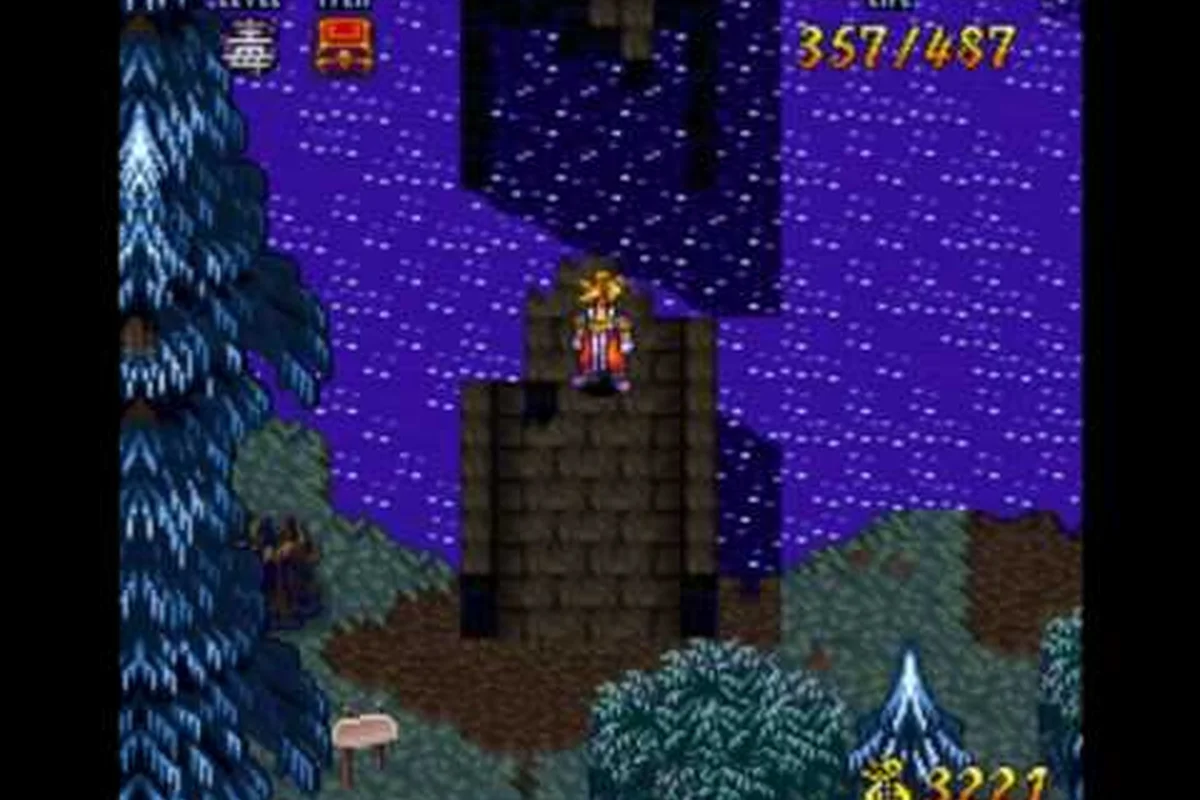
Terranigma Items Guide: Best Healing and Consumables
Explore the Terranigma items guide with a full item list, best healing picks, and consumable advice to survive every fight and boss encounter.
Terranigma Key Items Guide: Missable List for 1995 SNES
Master the Terranigma key items guide to spot every missable and permanent missable, plus collectibles that vanish before the 1995 SNES ending.
Terranigma Chest Locations: Full Checklist and Sell Prices
Explore Terranigma chest locations with a complete treasure checklist, item values, and sell prices so you never miss a gem reward along the way.
All Articles
Terranigma Hidden Items: Secret List and What to Keep
Discover Terranigma hidden items with the secret rare item list, shop tips, and what to keep versus sell in the 1995 Quintet classic adventure.
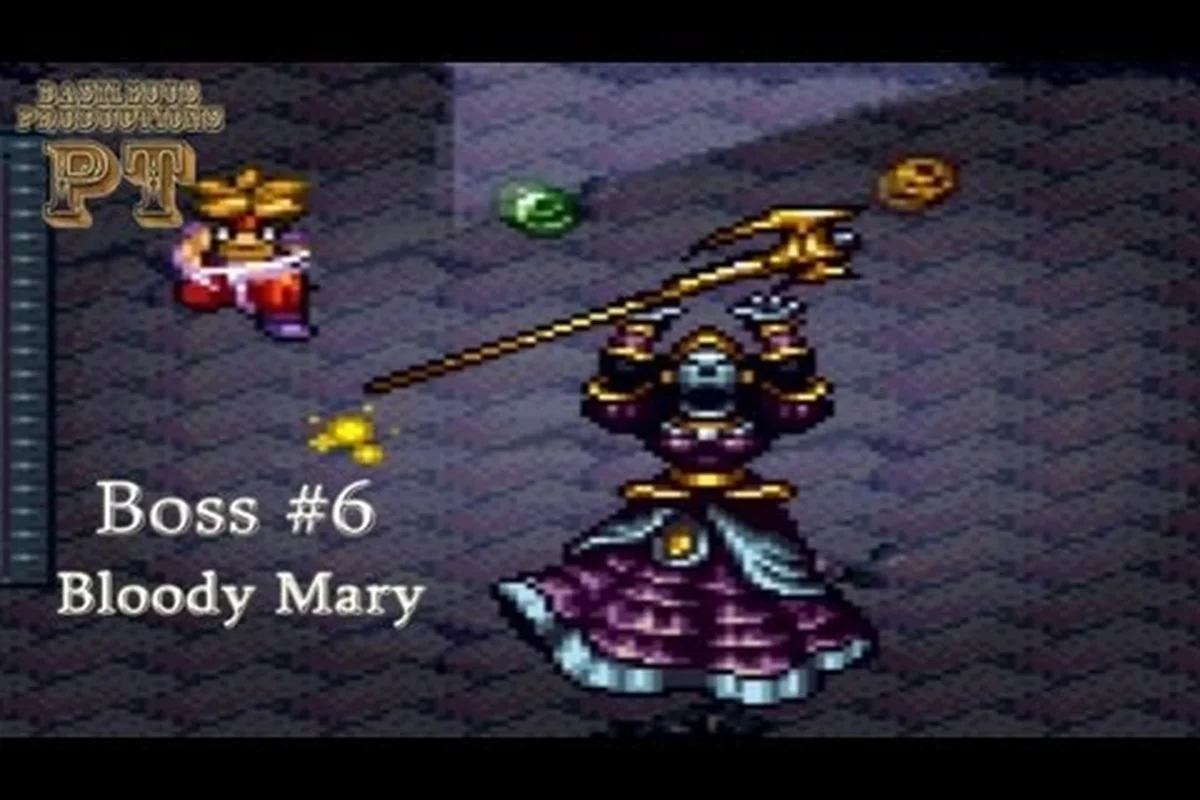
Terranigma Medicine Guide: Antidotes and Bloody Mary Prep
Prepare with the Terranigma medicine guide listing antidotes, revival items, and the pre-boss checklist for Bloody Mary fights successfully.
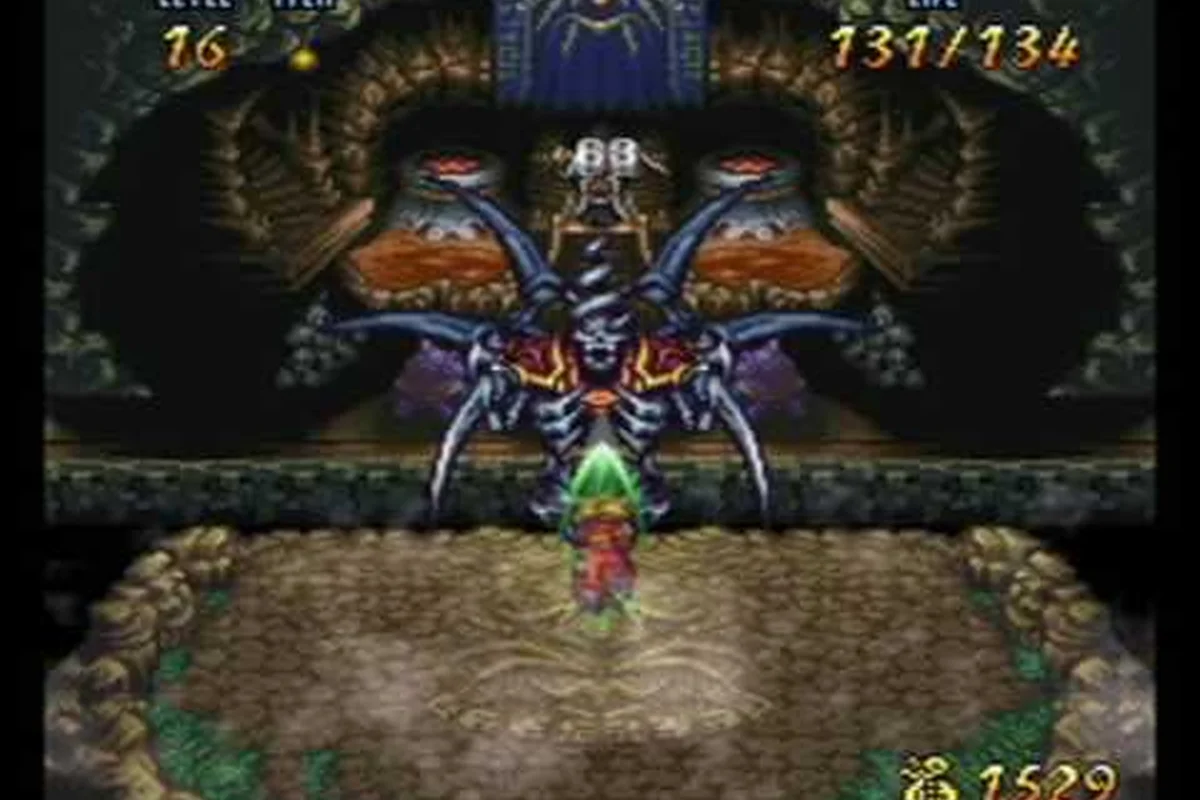
Terranigma Trading Quest Guide: Chain Rewards and Locations
Follow the Terranigma trading quest guide to complete the full trading sequence, find every item location, and claim all chain rewards along the way.
Terranigma Inventory Guide: Storage, Drops, and Farming
Learn the Terranigma inventory guide covering storage limits, enemy drop lists, and the best farming route to stock up efficiently and win every battle.